
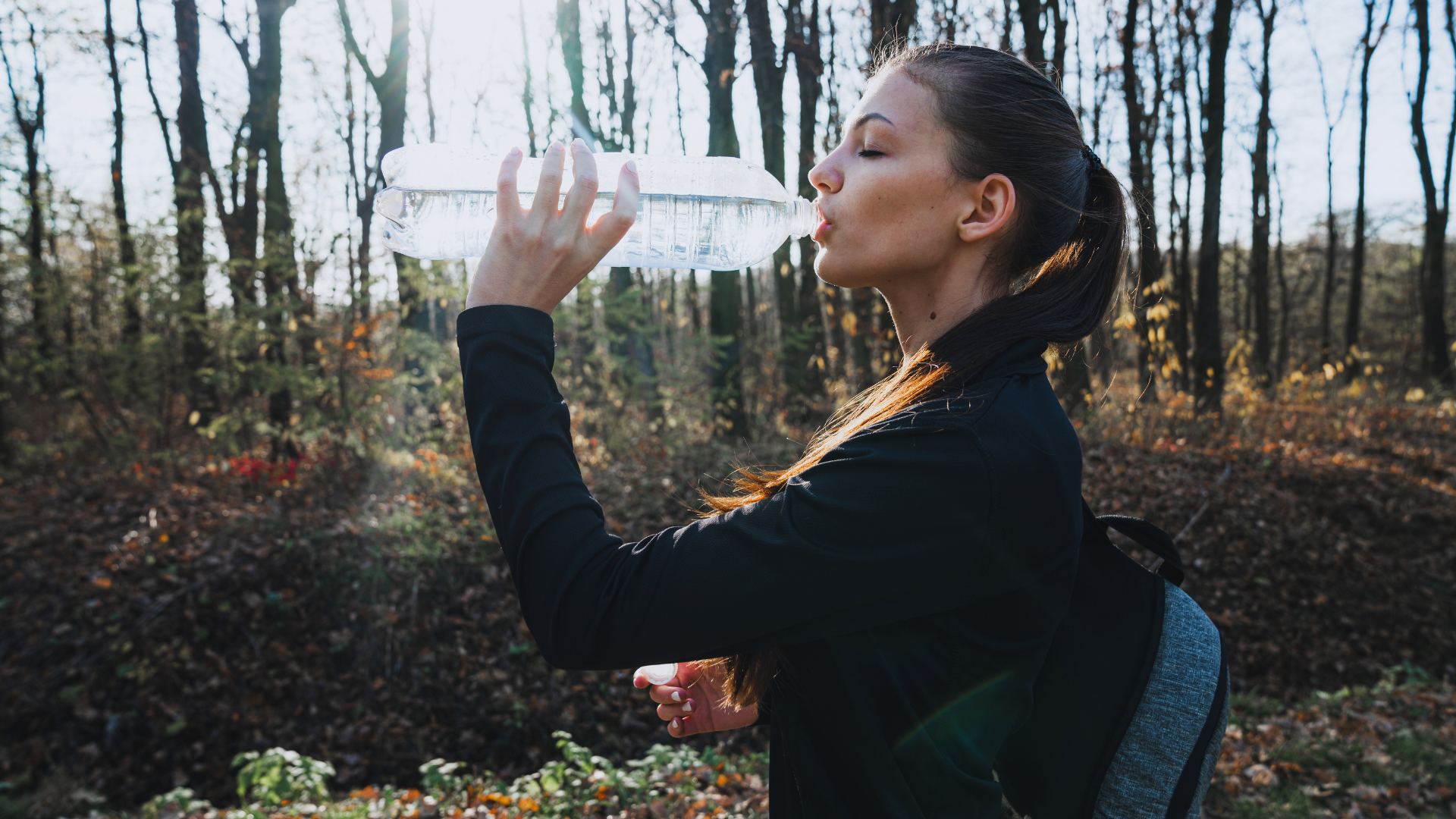
Traveling can disrupt your usual health routines, but maintaining well-being on the go is possible with simple strategies. Staying hydrated, eating balanced meals, and prioritizing rest are key to staying healthy while traveling.
Planning ahead to include nutritious snacks and staying active despite a busy schedule supports your energy and immune system. Being mindful of hygiene and managing stress also play an important role.
Following practical tips helps prevent illness and fatigue, allowing you to enjoy your trip without compromising your health.
Planning Healthy Travel Before You Go
Preparing for a trip involves more than booking flights or packing clothes. Understanding your destination’s health risks, getting medical checks, and bringing the right supplies can reduce illness and stress.
Choosing Destinations with Health in Mind
Research the climate, local diseases, and healthcare quality of potential destinations. Avoid areas with current outbreaks of diseases like malaria, dengue, or COVID-19.
Consider accessibility to medical facilities. Urban areas often offer better healthcare than remote locations.
Check vaccination requirements and recommendations for the destination. Some countries require proof of vaccination for entry.
Look into local food and water safety. Places with unreliable water supplies may require you to rely on bottled water or boil water before drinking.
Pre-Trip Medical Checkups
Schedule a medical checkup at least 4 to 6 weeks before traveling. This allows time for any vaccinations or treatments.
Discuss your travel itinerary and health history with your doctor. Ask about necessary vaccines, malaria prophylaxis, or any travel-specific risks.
Ensure chronic conditions are well-managed prior to departure. Request a supply of prescription medications sufficient for the entire trip, plus a few extra days.
Obtain documentation of your health conditions and prescriptions, particularly if traveling internationally.
Packing Essential Health Supplies
Bring a first aid kit with basics: bandages, antiseptic wipes, pain relievers, and any prescription medications.
Include insect repellent with DEET or picaridin to prevent mosquito bites in high-risk areas.
Pack oral rehydration salts, antidiarrheal medication, and sunscreen with at least SPF 30.
Carry hand sanitizer (at least 60% alcohol) and face masks if required or desired.
Consider a portable water purifier if traveling to areas with uncertain water quality.
Maintaining Nutrition on the Road
Eating well while traveling requires planning, awareness of available options, and attention to what your body needs. Focus on balanced meals, proper hydration, and managing any dietary restrictions to maintain energy and health.
Making Smart Food Choices
Choose meals with a balance of proteins, healthy fats, and complex carbohydrates. Opt for whole foods like fruits, vegetables, nuts, and lean meats instead of processed snacks.
Pack portable, nutritious snacks such as trail mix, granola bars, or fresh fruit to avoid relying on fast food. When dining out, review menus in advance and pick dishes with grilled or steamed ingredients rather than fried or heavily sauced foods.
Limit sugar and high-fat foods to reduce the risk of feeling sluggish. Portion control matters; eating smaller, more frequent meals can help maintain consistent energy levels.
Staying Hydrated
Drink water regularly to avoid dehydration, especially in warm climates or during long flights. Aim for at least 8 cups (about 2 liters) per day, increasing intake if physically active.
Carry a reusable water bottle to refill throughout your journey. Avoid excessive caffeine and alcohol, as they can cause dehydration.
Electrolyte drinks can be useful if you experience heavy sweating or diarrhea, but choose low-sugar options.
Managing Food Allergies and Restrictions
Know your allergens and carry necessary medications, like an epinephrine injector when appropriate. Research food customs and local dishes to avoid hidden allergens.
Use translation cards written in the local language to clearly communicate your dietary restrictions in restaurants. When possible, choose accommodations with kitchen facilities to prepare safe meals.
Plan ahead by identifying grocery stores or specialty shops at your destination that offer suitable foods. This reduces risk and supports consistent nutrition.
Staying Active While Traveling
Maintaining physical activity during travel requires planning and creativity. Balancing movement with sightseeing helps support energy levels and overall wellness.
Incorporating Exercise into Your Itinerary
Schedule specific times for exercise, such as early morning jogs or evening stretches. Choose destinations with accessible parks, trails, or fitness centers. Incorporate active transportation modes, like biking or walking, instead of relying solely on taxis or public transit.
Use travel downtime—waiting at airports or train stations—for light stretching or short walks. When booking accommodations, prioritize places with gym facilities or nearby walking routes. This approach ensures exercise fits naturally within your daily plans without disrupting sightseeing.
Simple Workouts for Travelers
Bodyweight exercises are effective and require no equipment. Focus on movements like push-ups, squats, lunges, and planks, which target large muscle groups. These workouts can be done in small hotel rooms or open spaces.
Resistance bands or a jump rope are easy to pack and add variety. Aim for short, high-intensity sessions lasting 10–20 minutes, which conserve time while maintaining fitness. Apps and online routines tailored for travelers offer structured guidance.
Walking and Exploring Safely
Walking is a low-impact way to stay active and explore. Choose well-lit, populated areas and avoid isolated paths, especially after dark. Wear comfortable shoes to reduce the risk of blisters or injuries.
Carry a small water bottle to stay hydrated and use sun protection. Plan routes with landmarks or cultural sites to combine exercise with sightseeing. Track steps or distance with a pedometer or phone app to motivate consistent walking.
Prioritizing Sleep and Rest
Adequate sleep and rest are essential for maintaining energy and focus during travel. Adjusting to different time zones and creating an environment conducive to sleep can significantly improve rest quality on the road.
Adjusting to New Time Zones
Changing time zones disrupts your internal clock, often causing jet lag. To minimize this, gradually shift your sleep schedule by one hour closer to the destination’s time zone a few days before departure.
Upon arrival, expose yourself to natural light during daytime hours to help reset your circadian rhythm. Avoid naps longer than 20-30 minutes to stay aligned with local sleep times.
Limit caffeine and alcohol intake after mid-afternoon, as both interfere with sleep quality. Staying hydrated supports overall well-being, but avoid excessive liquids before bedtime to reduce nighttime awakenings.
Creating a Sleep-Friendly Environment
Recreating a familiar, comfortable sleep setup helps signal your body that it’s time to rest. Use earplugs or a white noise app to block unfamiliar noise, especially in busy hotels or airports.
Ensure the room temperature is cool, ideally between 60-67°F (15-19°C), which promotes deeper sleep. Use an eye mask or blackout curtains to block out light, strengthening melatonin production and sleep consistency.
Finally, keep electronic devices off or in airplane mode to reduce blue light exposure and distractions. A short pre-sleep routine, like reading or gentle stretching, can also improve relaxation before bedtime.
Preventing Illness and Protecting Immunity
Maintaining your health on the road depends on specific actions that reduce exposure to germs and strengthen your immune system. Vaccinations, careful hygiene, and avoiding common travel-related illnesses are essential steps.
Staying Up-to-Date with Vaccinations
Vaccinations protect against diseases you may encounter in different regions. Before traveling, check for recommended and required vaccines for your destination, such as hepatitis A, typhoid, or yellow fever.
Schedule vaccines well in advance, as some need multiple doses or time to become effective. Keep a copy of your immunization records handy during travel.
Some vaccines are seasonal or vary by region, so consult health advisories and your doctor for tailored advice. Staying current with routine vaccines like influenza can also reduce illness risk.
Hand Hygiene Best Practices
Regular and thorough handwashing is one of the simplest ways to prevent infection. Wash your hands with soap and water for at least 20 seconds, especially before eating or after touching public surfaces.
When soap and water are unavailable, use an alcohol-based hand sanitizer with at least 60% alcohol. Carry a travel-sized bottle for convenience.
Avoid touching your face, especially your eyes, nose, and mouth, with unwashed hands to reduce germ transmission. Use a tissue or sleeve to cover coughs or sneezes to protect yourself and others.
Avoiding Common Traveler’s Illnesses
Traveler’s diarrhea is the most frequent illness, often caused by contaminated food or water. Stick to bottled or boiled water, avoid ice cubes, and eat well-cooked foods.
Respiratory infections spread easily in crowded places like airports and planes. Wear a mask if you feel unwell or are in close contact with many people.
Be cautious of insect-borne diseases such as malaria or dengue. Use insect repellent, wear long sleeves, and sleep under mosquito nets if needed. Recognize symptoms early and seek prompt care to prevent complications.
Managing Stress and Mental Wellness
Travel can disrupt routines and increase stress levels, which impacts overall well-being. Addressing anxiety before it builds and practicing techniques to stay grounded during your trip are key steps to maintaining mental wellness.
Reducing Travel Anxiety
Preparing your itinerary and packing in advance helps control unpredictability that often causes anxiety. Use checklists to ensure nothing important is forgotten.
Arrive early for flights or transportation to avoid rushing. Limit caffeine intake before and during travel, as it may increase nervousness.
If anxiety spikes, practice deep breathing exercises: inhale slowly for four seconds, hold for seven, then exhale for eight. Repeat this cycle three times to calm your nervous system.
Bring a familiar item like a book or music to create a sense of comfort. Avoid overloading your schedule to allow time for rest and adjustment.
Mindfulness Techniques for Travelers
Mindfulness involves focusing on the present moment without judgment, which reduces stress. Simple practices like paying attention to your senses can ground you during travel.
Try a short body scan: mentally note tension in each body part, then consciously relax it. This helps release physical and mental stress.
Use guided meditation apps optimized for travel to maintain regular mindfulness practice. Even five minutes a day can improve focus and emotional balance.
Stay aware of your emotions and acknowledge discomfort without reacting impulsively. This awareness helps manage unexpected situations calmly.
Healthy Travel for Special Populations
Travelers with unique needs require targeted strategies to maintain health. Different groups face distinct challenges that call for specific precautions and preparation.
Tips for Families and Children
Families should pack a travel health kit that includes child-friendly medications, a thermometer, and bandages. Maintaining regular meal and sleep schedules helps prevent irritability and illness in children.
Hydration is crucial, especially for young kids. Avoid sugary drinks and encourage water intake. Bring familiar snacks to reduce dietary disruptions and picky eating.
Limit exposure to germs by carrying hand sanitizer with at least 60% alcohol. Teach children to wash their hands frequently, particularly before eating. Use lightweight, breathable clothing to protect against weather changes without overheating.
Staying Healthy with Chronic Conditions
Consult a healthcare provider before departure to review medications and update vaccinations. Carry a sufficient supply of prescriptions, plus copies of medical records and emergency contacts.
Plan accommodations and activities considering physical limitations. For example, travelers with heart or respiratory conditions should avoid high altitudes or strenuous exercise.
Keep medications accessible during travel, preferably in carry-on bags. Be aware of symptoms indicating a condition flare-up and know the location of nearby medical facilities. Proper hydration and rest remain essential to managing chronic illnesses on the road.
Emergency Preparedness and Safety
Being ready for unexpected situations during travel improves your safety and response time. Familiarity with local emergency services and having adequate travel insurance are essential steps in managing risks effectively.
Knowing Local Emergency Resources
Before arriving, research the local emergency phone numbers for police, fire, and medical services. In many countries, 112 or 911 is standard, but in others may vary. Save these numbers on your phone and write them down physically.
Locate the nearest hospital or clinic to your accommodation. Knowing the location can accelerate your access to care when needed. If you have specific medical conditions, identify nearby specialists or pharmacies.
Use apps or websites that offer real-time emergency alerts and updates for the region. Learn basic phrases in the local language related to emergencies, such as “help,” “doctor,” or “ambulance” to assist communication.
Travel Insurance Considerations
Choose travel insurance that covers emergency medical treatment, evacuation, and trip interruption. Confirm that pre-existing conditions are included or understand any exclusions.
Review policy limits on hospital stays and emergency transport. Some policies have daily maximums or specific coverage areas, so select one matching your destination and activities.
Keep a copy of your insurance card and emergency contact numbers, both digitally and on paper. Inform a trusted person at home about your policy details and coverage in case you need assistance.
Immediately report any illness, injury, or accident to your insurer to ensure prompt support and reimbursement. Understand the claim process before traveling to avoid delays during emergencies.
Sustainable Health Habits Post-Trip
After returning from travel, it’s essential to focus on restoring your body and reestablishing routines that support long-term well-being. This involves managing fatigue, replenishing nutrients, and integrating healthy habits back into daily life.
Recovering After Your Journey
Prioritize rest to counteract travel fatigue. Sleep helps reset your circadian rhythm, especially if you crossed time zones. Aim for 7-9 hours of uninterrupted sleep for several nights to support recovery.
Hydrate extensively to flush out toxins and rehydrate after exposure to dry cabin air. Drinking water, herbal teas, and electrolyte-rich fluids can accelerate the process.
Eat balanced meals rich in fiber, lean proteins, and antioxidants to rebuild nutrient stores depleted during travel. Avoid heavy, processed foods that can slow digestion.
Gentle physical activity, like stretching or walking, aids circulation and reduces stiffness. Avoid intense workouts immediately after arrival to prevent injury.
Incorporating Healthy Practices at Home
Reestablish consistent meal times and prioritize homemade, nutrient-dense foods. Meal planning can help maintain variety and prevent reliance on convenience foods.
Set a regular sleep schedule by going to bed and waking up at the same time daily. This stabilizes your internal clock and improves sleep quality.
Maintain hydration habits by tracking water intake with apps or simple reminders. Aim for at least eight 8-ounce glasses daily, adjusting for activity levels.
Continue light physical activity, such as daily walks or yoga, to enhance cardiovascular health and reduce stress. Incorporating mindfulness and relaxation techniques can support mental wellness.